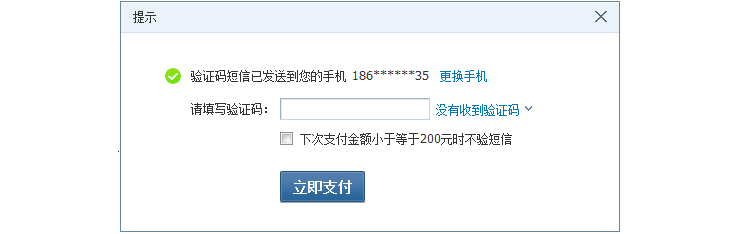
The platform program for obtaining verification codes can be written in various programming languages. Here is a simple example in English using Python as the programming language:
1、Set up the server-side environment:
* Install necessary libraries like Flask (for web development) and any other libraries required for sending SMS or email notifications.
2、Create a route to handle the request for generating verification codes:
from flask import Flask, request, jsonify
import random
import string
import sms_sending_library  # Assuming you have a library for sending SMS
app = Flask(__name__)
@app.route(’/generate_verification_code’, methods=[’POST’])
def generate_verification_code():
    # Generate a random verification code
    verification_code = ’’.join(random.choices(string.ascii_uppercase + string.digits, k=6))  # Generate a 6-digit code

    # Send the verification code to the user through SMS or email (using the respective libraries)
    phone_number = request.json[’phone_number’]  # Assuming the phone number is sent as JSON data in the request
    sms_sending_library.send_sms(phone_number, verification_code)  # Use your SMS sending library to send the code

    # Return a response to the client indicating success or failure
    return jsonify({’status’: ’success’, ’verification_code’: verification_code}) if sms_sending_library.send_status else jsonify({’status’: ’error’, ’message’: ’Failed to send verification code’})
This is a simplified example that assumes you have an SMS sending library installed and configured. You may need to modify it according to your specific requirements, such as integrating with an email service provider or adding more error handling and validation checks. Additionally, you should consider security aspects like protecting against spam or unauthorized requests and implementing appropriate authentication mechanisms.