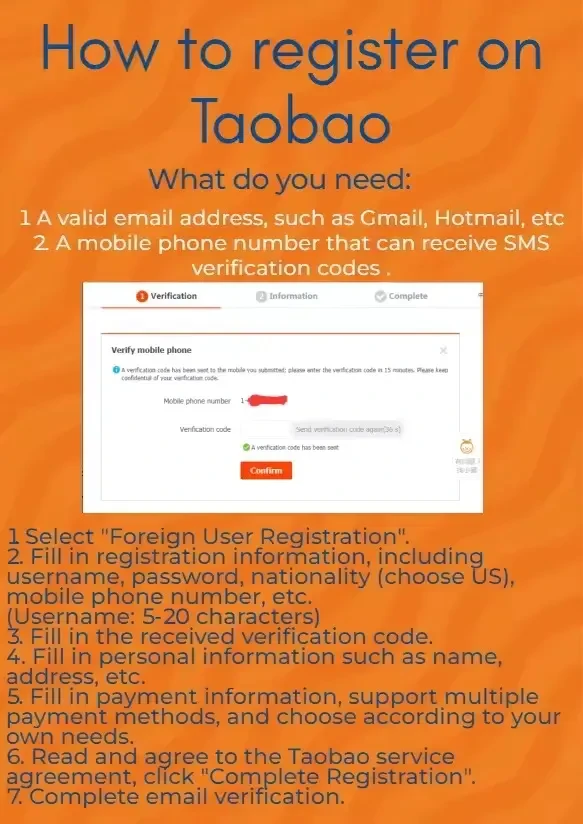
当然,我可以帮助你创建一个基本的用户注册界面,使用HTML和CSS。下面是一个简单的示例。
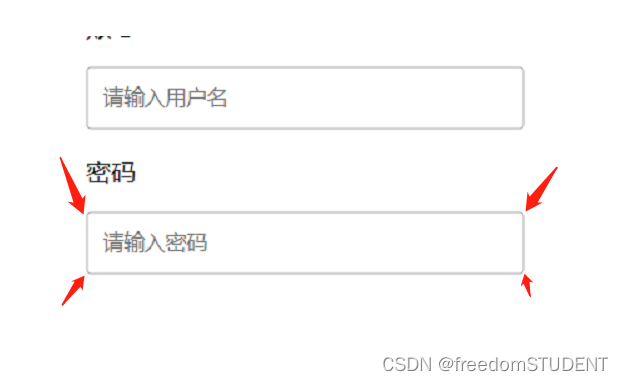
HTML部分:
<!DOCTYPE html>
<html>
<head>
    <title>用户注册</title>
    <link rel="stylesheet" type="text/css" href="styles.css">
</head>
<body>
    <div class="register-container">
        <h2>用户注册</h2>
        <form action="/register" method="post">
            <div class="input-group">
                <label for="username">用户名:</label>
                <input type="text" id="username" name="username" required>
            </div>
            <div class="input-group">
                <label for="email">邮箱:</label>
                <input type="email" id="email" name="email" required>
            </div>
            <div class="input-group">
                <label for="password">密码:</label>
                <input type="password" id="password" name="password" required>
            </div>
            <div class="input-group">
                <label for="confirm_password">确认密码:</label>
                <input type="password" id="confirm_password" name="confirm_password" required>
            </div>
            <button type="submit">注册</button>
        </form>
    </div>
</body>
</html>
CSS部分(styles.css):
body {
    font-family: Arial, sans-serif;
}
.register-container {
    width: 300px;
    margin: 0 auto;
    padding: 20px;
    border: 1px solid #ccc;
    border-radius: 5px;
}
h2 {
    text-align: center;
}
form {
    display: flex;
    flex-direction: column;
}
.input-group {
    margin-bottom: 10px;
}
label {
    display: block;
    margin-bottom: 5px;
}这是一个非常基础的注册界面,只包含用户名、邮箱、密码和确认密码的输入框以及一个注册按钮,你可以根据需要添加更多的字段或者调整样式,同时请注意,这个表单只是一个基本的HTML表单,没有包含任何的JavaScript或者后端处理逻辑,在实际应用中,你需要添加适当的JavaScript来验证用户输入,以及后端代码来处理注册请求。